
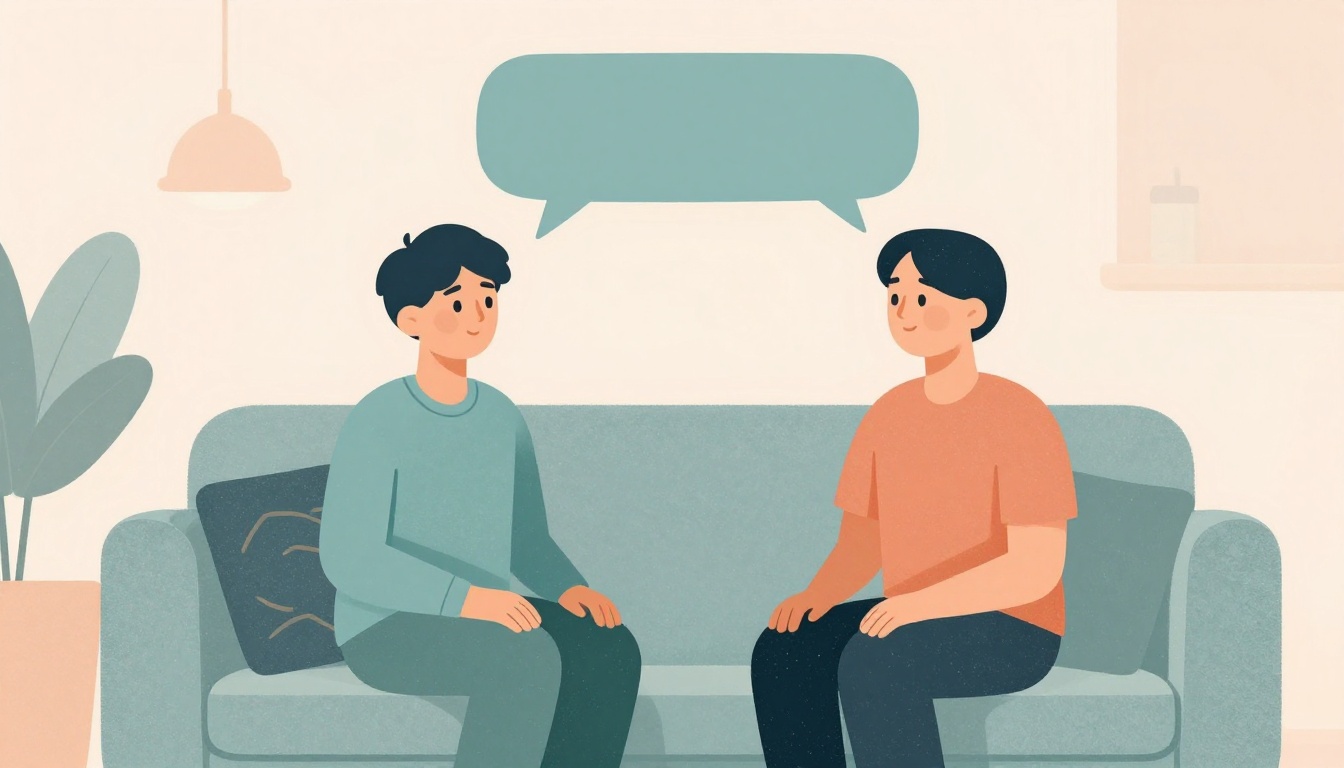
You know the HPV vaccine prevents cancer, but bringing it up with your teen can feel awkward. You are not alone—many parents struggle to find the right words. The good news is that you don't need a script about sex or STIs. Research shows that the most effective message is simple: the vaccine prevents cancer. Here is a practical, step-by-step guide to having that conversation with confidence.
Which of the following is the most effective message to use when talking to a teen about the HPV vaccine?
Select one answer.
Start with health, not fear
Lead with the positive. Instead of focusing on cancer or sexually transmitted infections, begin with the fact that there is a vaccine that protects against a virus that can cause several types of cancer later in life. According to the Prevent Cancer Foundation, studies show that getting the HPV vaccine does not encourage teens to become sexually active—it simply gives them a head start on staying healthy. Frame it as routine preventive care, just like the tetanus or meningitis vaccine.
Explain what HPV is in simple terms
Human papillomavirus (HPV) is a very common virus. The CDC notes that most sexually active people will get HPV at some point in their lives. But you don't need to go into that detail with your teen. Keep it age-appropriate: "HPV is a virus that can cause certain cancers, and the vaccine stops it before it starts." Avoid medical jargon. Tailor your language to your adolescent's level of understanding, as recommended by health communication experts.
Normalize the vaccine as routine care
Present the HPV vaccine as a normal part of the adolescent vaccine schedule. The CDC recommends routine HPV vaccination for girls and boys starting at age 11 or 12. When you treat it as standard—like the shots they already get—it reduces stigma and makes the conversation matter-of-fact. You can say, "Your doctor recommends this vaccine for all kids your age to help prevent cancer."
Encourage questions and be honest
Your teen may have heard rumors or have questions. Encourage them to ask anything. Be prepared to answer honestly. If you don't know something, say so and offer to look it up together. The goal is to build trust, not to have all the answers. A strong, direct recommendation from you—backed by your doctor's advice—is one of the most powerful influences on a teen's decision to get vaccinated.
Quick checklist for your conversation
- Choose a calm, private moment—not in a rushed setting.
- Start with: "There's a vaccine that prevents cancer. I want you to be protected."
- Explain that HPV is a common virus and the vaccine is safe and effective.
- Normalize it: "This is a routine shot for your age, like the others you've had."
- Ask: "Do you have any questions? I'm happy to talk about it."
- End with a clear next step: "Let's schedule it at your next checkup."
Quiz: Test your knowledge
Which of the following is the most effective message to use when talking to a teen about the HPV vaccine?
A. "The vaccine prevents cancer." B. "The vaccine prevents a sexually transmitted infection." C. "The vaccine is required for school attendance."
Correct answer: A. A study funded by the National Cancer Institute found that parents ranked "It can prevent some types of cancer" as the best reason for HPV vaccination, far above other messages.
How the Featured Expert Can Help
Crafting clear, evidence-based health messages is essential for effective patient communication. Dr. Jill at Your Cervix, led by Dr. Jill Palko, offers expert medical writing services focused on OB/GYN content and health communication. Whether you need patient education materials or provider-facing content, their physician-led team can help you translate complex clinical data into language that resonates. Visit Dr. Jill at Your Cervix to learn more.