
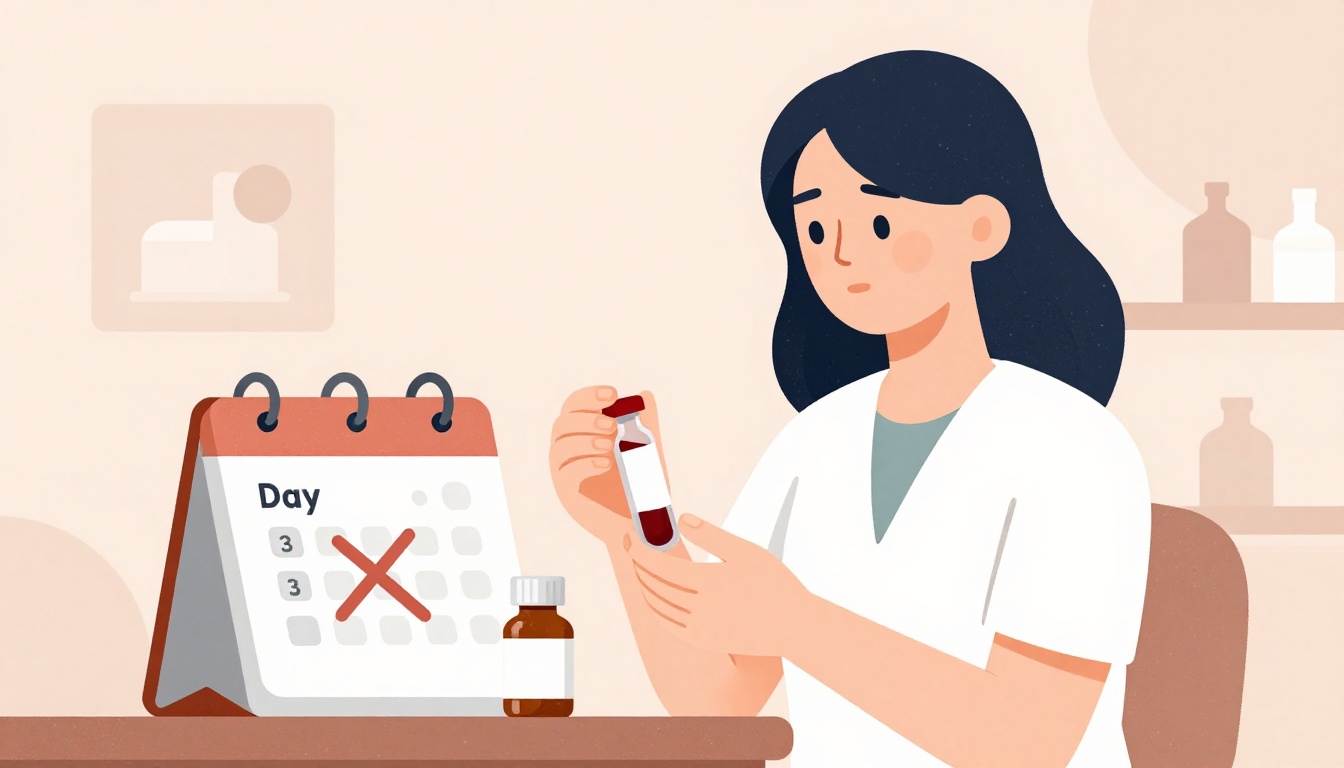
If you're experiencing irregular periods, hot flashes, or sleep disturbances, a menopause blood test can provide helpful data—but only if you prepare correctly. Many women aren't told that timing, fasting, and certain supplements can affect the results. This guide walks you through the practical steps to ensure your blood test reflects your true hormonal status.
When is the recommended time to take a menopause blood test if you are still menstruating?
Select one answer.
What a menopause blood test measures
A typical menopause panel measures four key hormones: estradiol (a type of estrogen), follicle-stimulating hormone (FSH), luteinizing hormone (LH), and progesterone. These hormones help assess ovarian function and can indicate whether you're in perimenopause or have reached menopause. According to Labcorp OnDemand, FSH levels rise as the ovaries become less responsive, while estradiol levels decline, leading to classic symptoms like hot flashes and night sweats.
However, hormone levels fluctuate widely during the menstrual cycle and throughout perimenopause. As Speaking of Women's Health notes, FSH, LH, and estradiol are not reliable for determining exactly where you are in the transition. Menopause is diagnosed clinically after 12 consecutive months without a period, not by a single blood test. Still, blood work can help evaluate symptoms and rule out other conditions.
Step-by-step preparation checklist
1. Schedule at the right time in your cycle
If you are still menstruating, the recommended time to test is day 3 of your menstrual cycle (cycle day 1 is the first day of your period). This timing provides a baseline for hormone levels. If you have irregular cycles or no longer menstruate, you can test at any time, as advised by Labcorp OnDemand.
2. Check fasting requirements
Fasting is not required for hormone tests like FSH, LH, estradiol, and progesterone. However, if your panel includes additional metabolic components—such as glucose or lipid tests—fasting may be necessary. Testing.com notes that fasting for 8 to 12 hours may be recommended for some tests, especially if wellness tests like CBC or glucose are included. Always confirm with your provider or lab.
3. Pause biotin supplements
If you take a biotin supplement (vitamin B7, often found in hair, skin, and nail products), stop taking it at least 72 hours before your blood draw. Biotin can interfere with hormone assays and lead to inaccurate results, as highlighted by Labcorp OnDemand.
4. Review your medications
Some hormone medications or supplements can affect test results. Avoid taking hormone medications or supplements unless your provider instructs otherwise, according to Walk-In Lab. Discuss all medications with your clinician before the test.
5. Stay hydrated and comfortable
Drink plenty of water before your blood draw—it makes veins easier to access. Wear a short-sleeved shirt or loose sleeves. If you're prone to dizziness, eat a light snack beforehand (unless fasting is required).
What to expect during the test
Most menopause tests involve a blood sample drawn from your arm using a needle, as described by Testing.com. The procedure is quick and typically takes less than five minutes. You may feel a brief pinch, but it's generally well-tolerated.
After the test: interpreting results
Results usually arrive within a few days. Your provider will explain what your hormone levels mean in the context of your symptoms and menstrual history. Remember that a single test isn't definitive—your clinician may recommend repeat testing or additional panels to get a fuller picture.
Common questions about menopause blood tests
- Do I need to fast? Not for hormone tests alone, but check if your panel includes metabolic components.
- Can I take my vitamins? Stop biotin at least 72 hours before; other supplements may also need to be paused.
- When should I schedule? Day 3 of your cycle if you're still menstruating; otherwise, any day.
Quiz: Test your knowledge
When is the recommended time to take a menopause blood test if you are still menstruating?
- Day 3 of your menstrual cycle
- Day 14 of your menstrual cycle
- Any day, regardless of cycle
Correct answer: Day 3 of your menstrual cycle.
How the Featured Expert Can Help
Dr. Jill Palko, founder of Dr. Jill at Your Cervix, offers expert medical writing services focused on OB/GYN content and health communication. With clinical experience and a focus on clear, evidence-based information, she helps healthcare brands translate complex clinical data into accessible content. If you're a healthcare professional or organization seeking physician-led medical writing, visit drjillatyourcervix.com to learn more.