
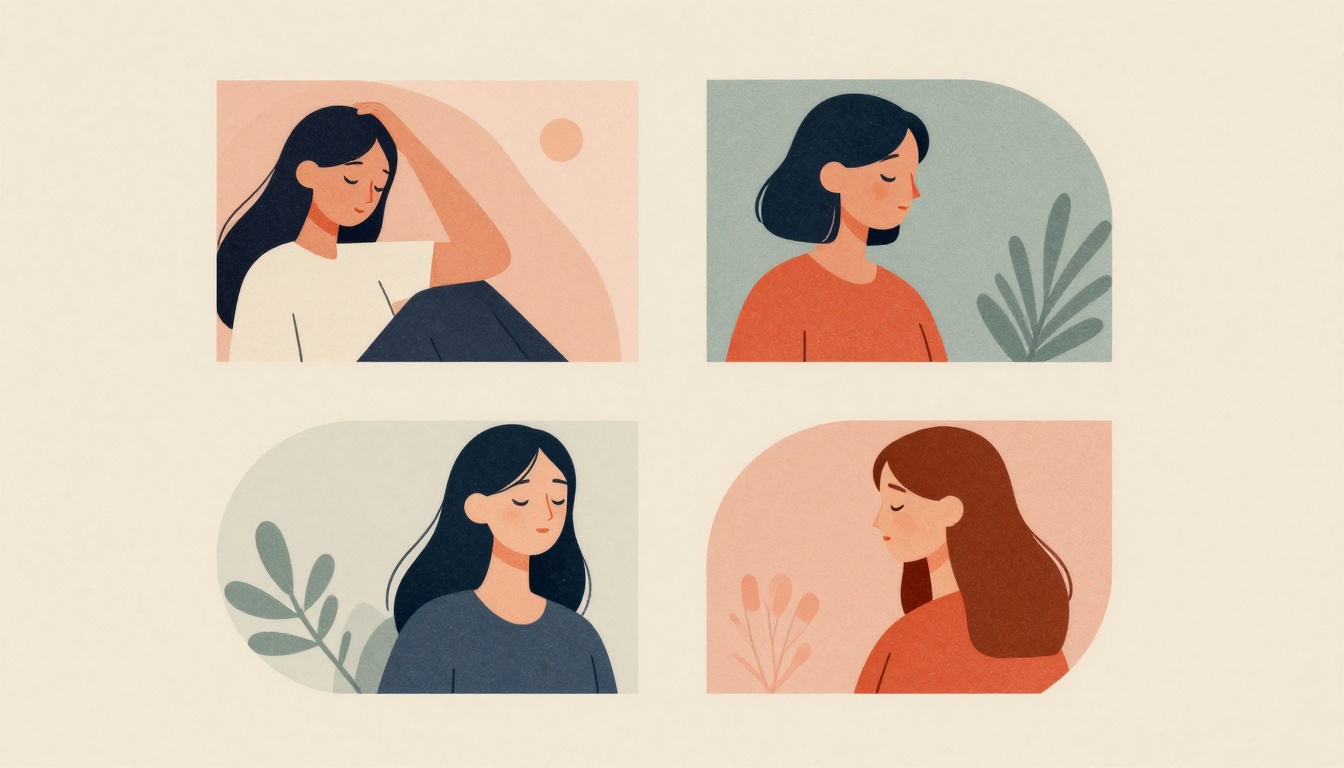
If you've ever wondered why your energy, mood, and focus shift throughout the month, your menstrual cycle is likely the reason. The cycle is more than just your period—it's a series of hormonal changes that affect your body and brain. Understanding the four phases can help you anticipate symptoms, plan workouts, and know when you're most fertile.
The menstrual cycle is measured from the first day of your period to the day before your next period begins. The average cycle is about 28 days, but cycles can range from 21 to 38 days in adults, and even longer for teenagers. The cycle is divided into four phases: menstruation, the follicular phase, ovulation, and the luteal phase. Each phase is driven by different hormones—primarily estrogen and progesterone—that rise and fall in a predictable pattern.
Which phase of the menstrual cycle is characterized by a peak in luteinizing hormone (LH) that triggers the release of an egg?
Select one answer.
The four phases at a glance
1. Menstrual phase (days 1–5)
Your cycle starts on the first day of bleeding. During this phase, estrogen and progesterone levels are low, causing the uterine lining to shed. You may experience cramps, bloating, fatigue, headaches, and tender breasts. Fatigue is common due to blood loss and a temporary drop in iron levels. This is a time to prioritize rest and gentle movement.
2. Follicular phase (days 1–13)
This phase overlaps with menstruation and continues until ovulation. The pituitary gland releases follicle-stimulating hormone (FSH), which stimulates the ovaries to develop follicles, each containing an egg. As estrogen rises, the uterine lining thickens. Many people feel more energetic and focused during this phase, and exercise may feel easier. Your metabolism and recovery are similar to men's during this time, making it a good window for high-intensity training.
3. Ovulation (around day 14)
A surge in luteinizing hormone (LH) triggers the release of a mature egg from the ovary. Estrogen and testosterone peak, which can boost mood and energy. This is your most fertile window. You might notice changes in cervical mucus—it becomes clear and stretchy, like egg whites. If you're trying to conceive, this is the key time to have sex.
4. Luteal phase (days 15–28)
After ovulation, the empty follicle becomes the corpus luteum, which produces progesterone. Progesterone levels peak, causing the uterine lining to thicken further. This phase can bring bloating, irritability, fatigue, brain fog, and cravings. Your resting heart rate may increase, and your aerobic capacity and heat tolerance may decrease, so endurance exercise might feel harder. If pregnancy doesn't occur, hormone levels drop, and the cycle begins again.
How to track your phases
Tracking your cycle helps you predict symptoms and plan activities. Here's a simple approach:
- Mark day 1 on a calendar or app—the first day of full bleeding.
- Note symptoms daily: energy, mood, cramps, discharge, and any pain.
- Identify your fertile window: ovulation typically occurs about 14 days before your next period, but this varies. Apps can estimate, but they're not always accurate.
- Look for patterns after 2–3 months: you'll start to see when you feel best and when symptoms peak.
Practical ways to adapt
- Menstrual phase: Focus on iron-rich foods like spinach, red meat, and beans, paired with vitamin C to boost absorption. Choose gentle activities like walking or yoga.
- Follicular phase: As estrogen rises, you may feel more energetic. This is a good time for strength training or challenging workouts.
- Ovulation: Your energy and mood are often at their peak. Schedule important meetings or social events here if possible.
- Luteal phase: If you crave sweets, opt for dark chocolate or complex carbs like quinoa. Reduce caffeine and alcohol, and prioritize sleep. Try lighter exercise like Pilates or swimming.
When to see a doctor
If your cycles are irregular (shorter than 21 days or longer than 38 days), you have very heavy bleeding, or you experience severe pain that interferes with daily life, talk to a healthcare provider. Tracking your cycle can also help you spot patterns that might indicate conditions like PCOS or endometriosis.
Quiz: Test your knowledge
Which phase of the menstrual cycle is characterized by a peak in luteinizing hormone (LH) that triggers the release of an egg?
- Ovulation
- Menstrual phase
- Luteal phase
Correct answer: Ovulation. The LH surge is the hallmark of ovulation, which typically occurs around day 14 of a 28-day cycle.
How the Featured Expert Can Help
Dr. Jill Palko, founder of Dr. Jill at Your Cervix, is a physician with clinical experience in OB/GYN. She offers expert medical writing services focused on OB/GYN content and health communication. If you're a healthcare professional or organization looking to translate complex clinical data into clear, high-impact content, Dr. Jill can help you maintain scientific accuracy and regulatory compliance. Visit her website to learn more and book an appointment.